

Last updated October 30, 2026
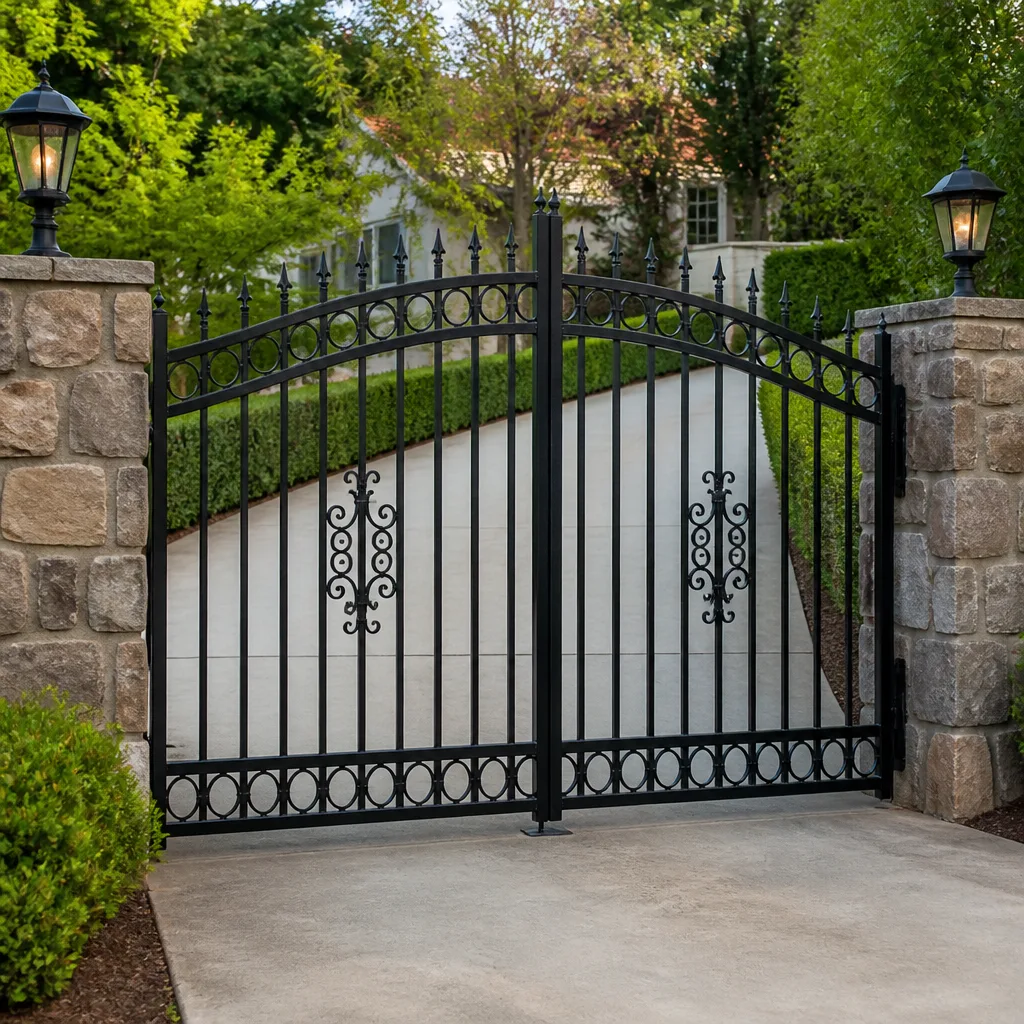 Wrought iron
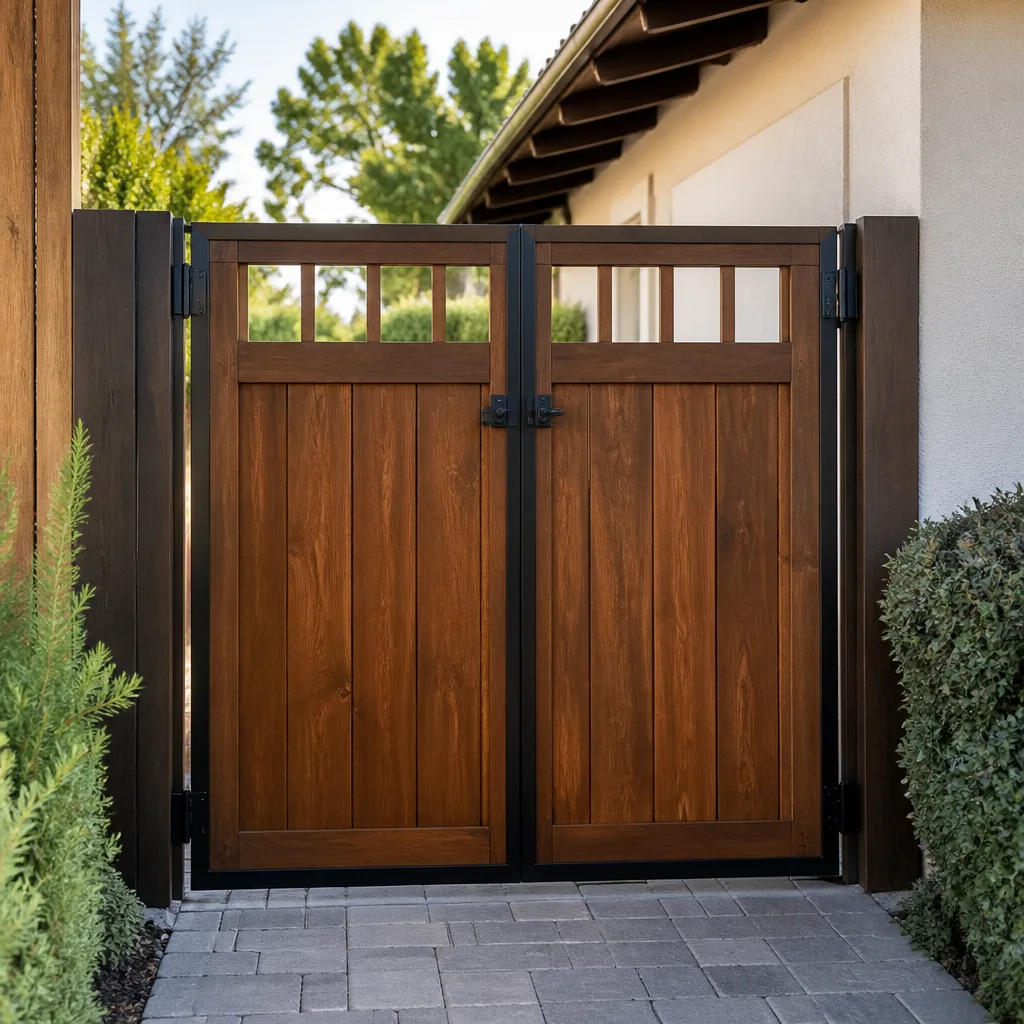 Wood & steel frame
 Farm & ranch
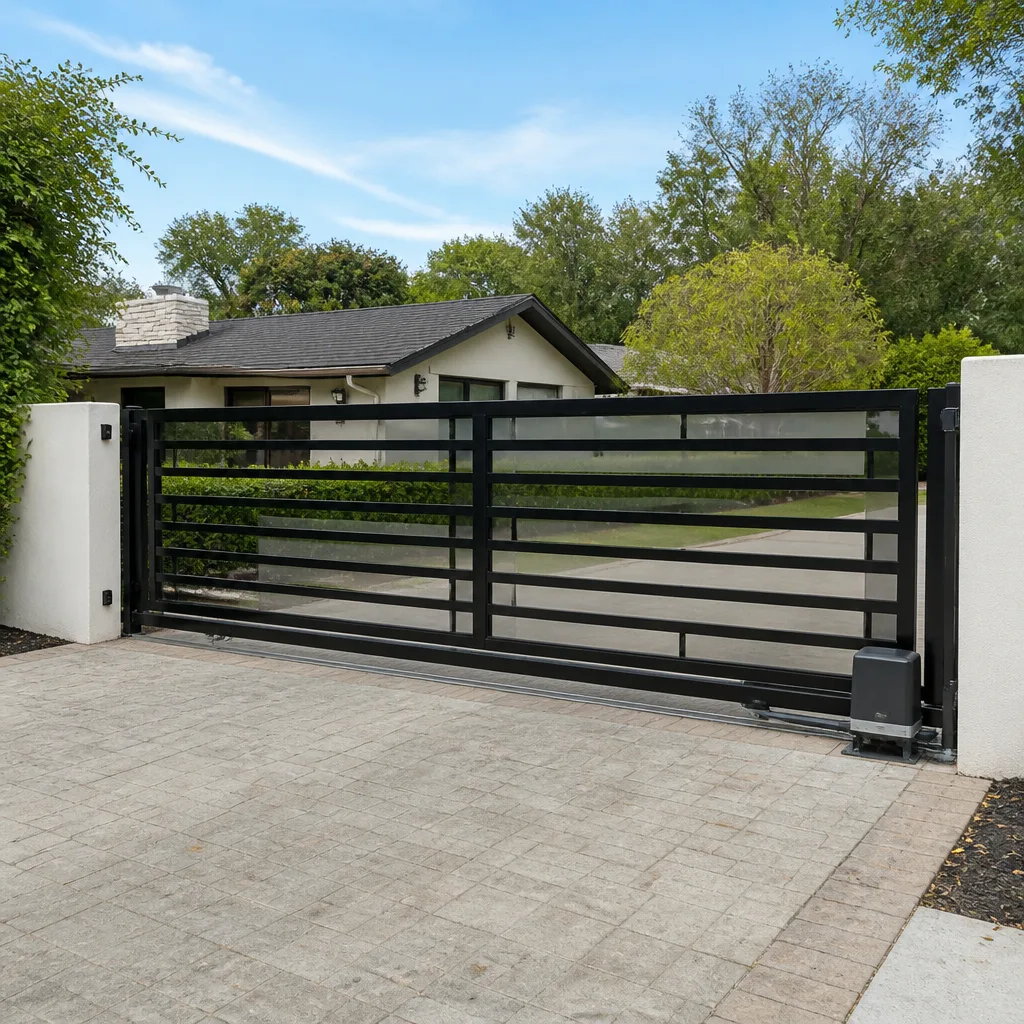 Sliding driveway gates
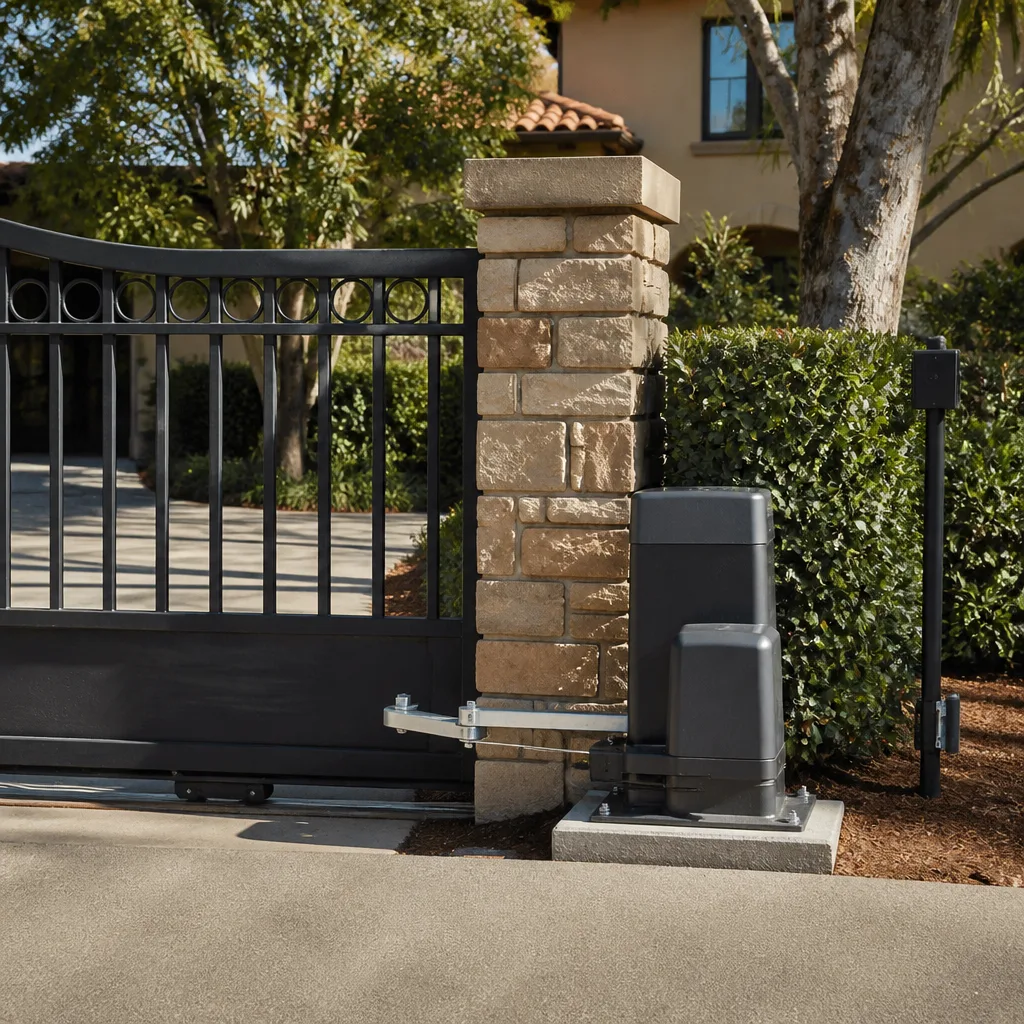 LiftMaster operators
Free on-site gate assessment - hinges, posts, and your LiftMaster or Nice gate operator checked before anything is quoted
The assessment is free and the quote is the invoice.
Get your free estimateDIY vs Professional Gate Repair: The Miami Homeowner’s Decision Guide
Here’s a fact most Miami homeowners don’t learn until it’s too late: you can legally and safely adjust your gate’s travel limits yourself, but you cannot legally replace your gate’s hinge posts with a different gauge steel yourself in Miami-Dade without triggering a permit requirement. And if that unpermitted repair fails during a hurricane, your insurance company will find out. That’s the real dividing line between DIY and professional gate repair in Miami, and it has almost nothing to do with how handy you are. It has everything to do with liability exposure, building code, and wind-load engineering. This guide breaks down exactly which repairs you can handle, which ones you technically can do but shouldn’t, and which ones require a licensed professional, period, with Miami-Dade’s High Velocity Hurricane Zone (HVHZ) code as the backdrop.
Styles & brands we work with
Quick Answer
For most Miami homeowners, DIY gate repair is safe and sensible for cosmetic fixes, remote programming, minor track cleaning, and light lubrication. But any structural repair involving posts, hinges, framing, or foundation work in Miami-Dade falls under HVHZ permit requirements and belongs with a licensed contractor. Electrical work on gate operators, including motor swaps, control board replacement, and any wiring connected to line voltage, should never be DIY’d. In short: adjust and clean it yourself; have a professional handle anything structural or electrical.
Table of Contents
- The Four Regulatory Categories of Gate Repair in Miami-Dade
- Why Miami-Dade’s HVHZ Designation Changes Everything
- Which Gate Brands Give You DIY Diagnostics (and Which Don’t)
- The Real Cost of a Failed DIY Gate Repair in Miami
- The Three Repairs That Fool Miami Homeowners Most Often
- What You Can Safely DIY: A Practical Checklist
- What Requires a Professional: Structural, Electrical, and Code Work
- Common Mistakes to Avoid
- When to Call a Professional
- Frequently Asked Questions
- The Bottom Line
The Four Regulatory Categories of Gate Repair in Miami-Dade
Every gate repair in Miami falls into one of four buckets, with regulations and insurance implications differing dramatically between them. Most homeowners get themselves into trouble by treating all four as equal. They are not.
Category 1: Safely DIY
These are adjustments and maintenance tasks that do not alter the structure, do not touch line voltage, and do not require permits anywhere in Miami-Dade. Examples include remote control reprogramming, travel limit adjustment on most operators, battery replacement in keypads, sensor lens cleaning, photo-eye alignment correction, roller and track lubrication, and tightening visible bolts that have loosened from daily use. On a Mighty Mule or Ghost Controls system, the operator’s manual walks you through travel limit adjustment in under ten minutes, and there is no reason to pay a service call for that.
Category 2: DIY-Legal but Technically Inadvisable
These tasks sit in a gray zone. They are not explicitly permit-required, but they involve enough technical complexity that the failure rate for untrained homeowners is high. Replacing a gate wheel, for example, seems straightforward. But a gate wheel swap on a sliding gate involves setting the correct height relative to the track, adjusting the guide rollers independently, and sometimes spacing the wheel shims to compensate for years of track wear. Get the height wrong and the gate drags, burns out the operator motor within months, and you are looking at a much larger repair than the wheel swap you tried to save money on. Replacing trim caps, swapping out a keypad, and re-tensioning a manual gate closer also sit in this category.
Category 3: Permit-Required (Professional Only)
In Miami-Dade, any alteration to the structural components of a gate, meaning posts, footings, frame rails, hinge plates, or the gate leaf itself if you are changing gauge or material, triggers a building permit under the Florida Building Code. This is not a suggestion. The county’s HVHZ provisions specify minimum wind-load resistance requirements for any gate structure, and the permitting process exists to verify that the work was done in compliance. Replacing a hinge post with a heavier one? Permit. Switching an aluminum frame for steel? Permit. Re-anchoring a post into new concrete? Permit. Homeowners who skip this process own the liability forever, even after they sell the house.
Category 4: Licensed-Trade-Only (Electrical)
Any repair that involves connecting to line voltage, which means wiring an operator motor to a power source, running conduit, replacing a control board that handles mains power, or installing a loop detector wired into an electrical system, requires a licensed electrical contractor in Miami-Dade. A gate operator is not a lamp. The motor draws significant current, the capacitor inside stores charge even after power is disconnected, and a wiring error in a wet, salty-air environment like Miami creates a serious fire and electrocution hazard. We work on LiftMaster operator boards regularly, and even with proper training, we treat every board swap as a full diagnostic procedure, not a plug-and-play exercise.
Why Miami-Dade’s HVHZ Designation Changes Everything
Miami-Dade and Broward counties are the only two counties in Florida that carry the HVHZ wind-borne debris region designation, the strictest wind-load standard in the United States. The code requires that any structure, including gates, withstand wind speeds significantly higher than what the rest of Florida mandates. For a gate, that means the steel gauge of the posts, the depth and diameter of the concrete footings, the hinge plate thickness, the weld quality, and the anchoring system all matter. In Palm Beach County, which is not HVHZ, a homeowner can often replace a post with a standard schedule-40 steel pipe and be fully compliant. In Miami-Dade, that same repair may require thicker wall pipe, deeper footing embedment, and a specific anchoring detail, plus the permit to prove it.
Here is the insurance angle that most DIY guides miss entirely. If a homeowner performs an unpermitted structural repair on a gate in Miami and that gate later fails during a storm, injuring a person or damaging a vehicle, the insurance company’s investigator will look for the permit. No permit. No updated wind-load certification. Claim denied. In our experience with Miami gate systems after hurricane events, the difference between a covered repair and a denied claim is usually paper, not steel. The gate that failed was often not the problem; the missing documentation was. That is why, of everything in this guide, the permit requirement is the one we cannot soften for you, even if you are an extremely capable welder on your own property.
Which Gate Brands Give You DIY Diagnostics (and Which Don’t)
One of the most overlooked variables in the DIY vs. professional decision is the diagnostic philosophy of the brand you own. Some manufacturers build self-diagnostic features directly into consumer-facing systems. Others intentionally lock diagnostics behind dealer-level tools, and you cannot properly assess the system without that access.
DIY-Accessible Diagnostics
Mighty Mule and Ghost Controls, both brands we service but also see plenty of homeowners self-diagnosing successfully, design their operators around app connectivity and error-code displays. The Mighty Mule MM Series, for example, uses a blinking light sequence to communicate specific fault codes, and those codes are printed in the owner’s manual. A homeowner can often identify a blocked sensor, a battery issue, or an alignment fault in under ten minutes, just by counting flashes and checking the chart. Ghost Controls leans on a smartphone app for system status, and its diagnostic readout is designed for the end user, not the technician. These systems are genuinely DIY-friendly at the diagnostic level.
Dealer-Level Diagnostics
FAAC and BFT, both heavily represented in Miami’s residential and light-commercial gate market, take a different approach. Their systems are engineered for professional installation and service, with diagnostics accessible through proprietary software connected via a dealer-level interface. The board may have some LED indicators, but interpreting them requires knowing the specific sequence behavior of that model line, and making adjustments often requires the software, not just a screwdriver. A FAAC 400 operator, for example, can show a fault light that means one of several conditions depending on when the fault occurred, what the gate did immediately before, and the torque settings in memory. Without the diagnostic tool, you are guessing. LiftMaster splits the difference: many of its residential swing gate operators include a basic diagnostic readout for homeowners, but its commercial slide operators assume a technician with training and oftentimes a MyQ-connected dealer portal.
What This Means for Your Decision
If you own a Mighty Mule or Ghost Controls system and the operator is flashing a code that maps directly to a sensor or battery issue, you can often fix it this afternoon. If you own a BFT or commercial LiftMaster system with a fault you cannot immediately identify, calling a specialist is not a concession of defeat; it is simply the shortest route to a correct diagnosis. We work on all of these brands, which means when a Miami homeowner calls us about a FAAC fault, we already know the diagnostic path, not just the theory of it.
The Real Cost of a Failed DIY Gate Repair in Miami
Most DIY cost-benefit calculations only count the parts you buy and the service call you avoided, a topic we explore in our Gate Repair Cost Breakdown: The Miami Homeowner’s Reference for 2026. That math misses the three biggest financial risks, each of which is amplified by Miami’s specific code and market environment.
1. Voided Manufacturer Warranty. Gate operator warranties, specifically the electronics, typically require installation and service by a qualified technician for the warranty to remain valid. Swap a LiftMaster control board yourself, damage a connector in the process, and call LiftMaster for a warranty replacement, and their service department will likely ask who performed the installation. If the answer is “me,” the warranty claim usually ends there. That board might have been a free replacement under warranty. Now it is a $400 to $700 purchase.
2. Escalation Damage. The most expensive gate repairs we see in Miami are rarely the original fault. They are the second fault created by the first repair attempt. A homeowner adjusts the travel limit too far to “fix” a sticking gate, the gate over-travels and bends the frame, and now the frame repair is a structural job requiring a permit. The original fix was a limit adjustment. The escalated repair is thousands. This pattern repeats across our service history in nearly every Miami neighborhood we work.
3. Code Enforcement and Insurance Exposure. You already read the insurance section. Here is the code enforcement angle: Miami-Dade code enforcement can flag an unpermitted gate alteration during a routine property inspection, during a sale transaction if the buyer requests an inspection, or even from a neighbor’s complaint. The resolution is a permit after the fact, which involves proving the work meets code. If it does not, you will be opening the concrete and redoing the post correctly, far more expensive than doing it right the first time with permitting in place. We have seen DIY gate posts pulled out of the ground in Palmetto Bay because they were set 24 inches deep when the code required 36 inches with a wider diameter footing.
The Three Repairs That Fool Miami Homeowners Most Often
Every gate specialist in South Florida has a mental list of the DIY jobs that end up as emergency calls, as detailed in our Gate Repair Emergency Preparedness Guide for Miami Homes. These three are the most common in our experience, and each one fools homeowners because it looks far simpler than it is.
1. The “Simple” Post Replacement
A gate sags, the homeowner sees a rotted or bent post, and decides to replace it with a beefier one from a local steel supplier. What they do not know: the footing depth, the concrete mix, the curing time before the gate is rehung, the wedge anchoring, and the HVHZ wind-load calculation all have specific requirements. A post replacement done correctly in Miami-Dade often requires a permit, an inspection, and engineering documentation if the gate exceeds a certain height or weight. The homeowner who skips those steps creates a gate that sags again within a year, or worse, a gate that fails catastrophically under wind load. We see this most often on gates installed in the 2000s, where the original post was under-spec for current code, and the homeowner “upgrades” it without understanding what reinforcement actually means in an HVHZ zone.
2. The “Just Rewire It” Operator Swap
When a gate operator fails, homeowners sometimes purchase a new unit online and attempt a direct swap of the old motor for the new one. The problem is that gate operators are not universal. The new unit may require different amperage, a different control board configuration, different safety sensor compatibility, and a specific wiring path for the loop detector and the photo eyes. In Miami’s humid, salt-exposed environment, even the wire gauge and moisture sealing on connectors matter. A homeowner who swaps an operator without accounting for these factors often ends up with a system that trips the breaker or fails intermittently, and by the time we are called, the board has already been cooked by a wiring mistake. It is far cheaper to have the operator matched and installed correctly the first time than to replace it twice.
3. The “Lube It and Forget It” Over-Lubrication
This one shows up without any structural or electrical root cause. A homeowner notices the gate running slower or squeaking, applies a heavy lubricant to every moving part, and within weeks the gate is binding worse than before. Miami’s environment makes this mistake especially consequential: dust, sand, and salt air mix with heavy grease to form a grinding paste on rollers, tracks, and hinges. The correct approach is a mild silicone-based lubricant on specific points, not a coating of axle grease on everything that moves. We have cleaned more than a few tracks in Coral Gables and Pinecrest where the homeowner’s well-intentioned grease job turned a smooth rolling gate into something that needed a track rebuild.
What You Can Safely DIY: A Practical Checklist
Let’s be clear about what a Miami homeowner can realistically handle without a professional, because this guide is not an argument against all DIY work. It is an argument for knowing the line.
1. Remote and Keypad Programming. Reprogramming remotes, changing keypad codes, and syncing new transmitters to your existing system are entirely DIY-appropriate. Your operator’s manual has the button-press sequence. This applies across virtually every brand, including Mighty Mule and LiftMaster.
2. Sensor and Photo-Eye Cleaning. Miami’s humidity and occasional dust storms leave residue on photo-eye lenses. Cleaning with a soft dry cloth and then verifying the sensor alignment restores functionality in most cases. This is not a repair; it is maintenance.
3. Track and Roller Debris Removal. For sliding gates, debris in the track is a leading cause of poor operation. If you can see leaves, sand, or small stones in the track, a shop vacuum and a stiff brush handle most of it. Do not use a pressure washer on the track area; Miami’s sandy soil will be blasted into the roller bearings.
4. Bolt Tightening (Non-Structural Only). Loose bolts on cosmetic components, like the bolt that holds a handle or a decorative element, are fine to tighten yourself. What you should not do is tighten or loosen the bolts that anchor the gate to the hinge plate or the hinge plate to the post. Those are structural connections under wind-load tension, and over-tightening shallow threads can strip the load path.
5. Battery Replacement in Wireless Keypads. Straightforward. Open the case, swap the battery, reseal it against moisture. Use a quality battery, because Miami’s heat degrades cheap batteries faster.
Every item on this list shares a common trait: none of them alters the structural integrity, none touches line voltage, and none requires a permit. If your task falls outside these parameters, the next section is the one to read carefully.
What Requires a Professional: Structural, Electrical, and Code Work
Here is the hard line, written as plainly as we can make it.
Structural repairs always require a professional in Miami-Dade. Hinge post replacement, post re-anchoring, frame repair, gate leaf replacement with changed material or gauge, welding cracks in frame rails, and any modification that changes the wind-load profile of the gate all require a permit and a licensed contractor. If you are not sure whether your repair is structural, ask this: does it change the physical connection between the gate and the ground? If yes, it is structural. The building code does not care about your welding skill. It cares about the engineering spec and the paper trail.
Electrical work on gate operators always requires a licensed professional. Motor replacement, control board replacement, loop detector installation, safety sensor wiring, and any connection to mains power fall under electrical licensing requirements. A gate operator stores electrical charge in its capacitor even when disconnected, and a mistake can cause a serious injury or fire. We handle electric gate repair at the component level, and that is because our technicians are trained specifically on gate automation, not because the work is easy. The phrase “electric gate repair” should always trigger a professional call in your mind.
Anything requiring a permit requires a professional. This sounds circular, but it is the entire point. If Miami-Dade requires a permit for the work, the work should be done by someone who does this every day and understands the inspection process. The permit is not a tax. It is the document that protects you when the hurricane comes.
This guide is brought to you by Miami Gate Company home, where gate repair and installation is the entire service menu, not a side offering.
Common Mistakes to Avoid
- Replacing a structural post without a permit. This is the single most expensive mistake we see in Miami. The repair usually fails engineering inspection later, oftentimes during a sale, and the homeowner pays to redo the work properly after already paying once for the wrong work.
- Applying heavy grease to gate tracks and rollers. Miami’s sandy, humid air turns grease into a paste that accelerates wear. Use a dry silicone lubricant sparingly, or better, call someone who knows the correct points and products.
- Swapping an operator without checking compatibility. A new operator from a different brand or even a different model line within the same brand may not match the existing safety sensors, loop detector, or power feed. The result is often a burned control board within months.
- Ignoring a small sag because the gate still closes. Sag is rarely cosmetic. In an HVHZ environment, a sagging gate is telling you that the load path has already shifted. The longer you wait, the more the frame, hinges, and post all continue to stress.
- DIYing a gate motor replacement on a property with young children and relying only on the original safety sensors. Gate safety sensors are the last layer of protection against a moving gate. A wiring error that bypasses them creates a crushing hazard that no homeowner should ever accept.
- Assuming a permit is not required because the previous homeowner did not get one. Code compliance does not transfer through a handshake. If you do the work, the permit history is attached to the current owner, which is you.
When to Call a Professional
Call a gate specialist when the repair involves any structural component, any electrical connection, any permit, or any safety device that is not functioning correctly. Call when the gate makes a new noise, because that noise is a component asking for attention before the failure strands your car inside the driveway. Call when the system has been hit by a vehicle, because even a low-speed impact can compromise the post or hinge load path in ways that are invisible until they fail. Call when your property is in a mandatory wind-borne debris zone, which all of Miami-Dade is, and you want the paper trail that protects your insurance claim. Gate Repair in Boca Pointe covers similar issues up the coast, and the same logic applies. Miami Gate Company offers free estimates in Miami, call (833) 570-5807.
Frequently Asked Questions
No, replacing a structural gate post in Miami-Dade requires a building permit and the work must be completed by a licensed contractor in accordance with HVHZ wind-load requirements. A homeowner cannot legally perform this repair without the permit, regardless of skill level.
You can safely reprogram remotes, clean photo-eye sensors, remove debris from slide tracks, replace wireless keypad batteries, and tighten non-structural cosmetic bolts. Any structural, electrical, or permit-required work should go to a licensed professional.
Usually not. If an unpermitted structural repair fails and causes injury or property damage, the insurance company will likely deny the claim for lack of a permit and code compliance. In Miami-Dade’s HVHZ, that denial is even more likely because the county has strict documentation requirements.
Mighty Mule and Ghost Controls offer app-based diagnostics and consumer-friendly error codes that most homeowners can interpret from the manual. FAAC and BFT systems often require dealer-level diagnostic tools, so professional diagnosis is the practical route.
Cost depends on the repair type, brand, and whether structural permits are required. Simple adjustments and part replacements typically cost less than full post or operator replacements. Miami Gate Company provides free estimates in Miami, so you can get an exact price for your specific system before any work begins; see our more guides & resources for additional help. Call (833) 570-5807.
Many older Miami gates were installed to earlier code standards. If you are modifying or repairing that gate structurally, the current HVHZ standard applies, not the standard at original installation. This often means the repair must bring the changed components up to current code.
The Bottom Line
The DIY vs. professional gate repair decision in Miami is not a question of whether you can follow a YouTube tutorial. It is a question of whether the repair carries structural, electrical, or permit obligations, and whether you want to own the liability if the work fails. Clean it, program it, lubricate it carefully. Those tasks are yours. But when the post comes out of the ground, when the control board stops responding, or when a permit is on the table, the calculation changes. In this region, the wind-load code is real, the insurance investigators check permits, and the difference between a $200 DIY weekend and a $6,000 code correction is measured in the paperwork. For gate repair, electric gate repair, or full Gate Installation in Boca Pointe or anywhere in Miami-Dade, call Miami Gate Company at (833) 570-5807 for a free estimate. We work on LiftMaster, FAAC, BFT, Mighty Mule, and five other major brands, so whatever system you have, we know it.
Written by the team at Miami Gate Company, serving Miami since 2012.
See the difference
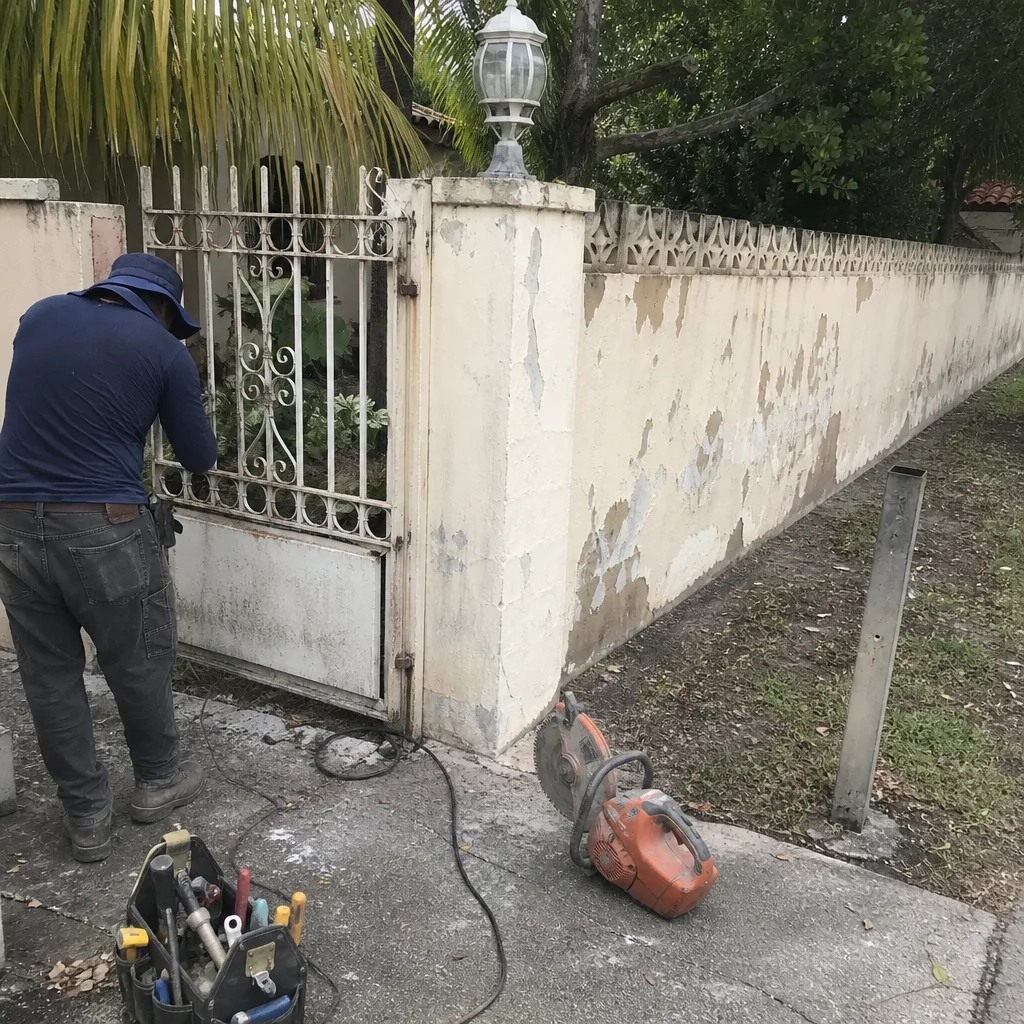 Before
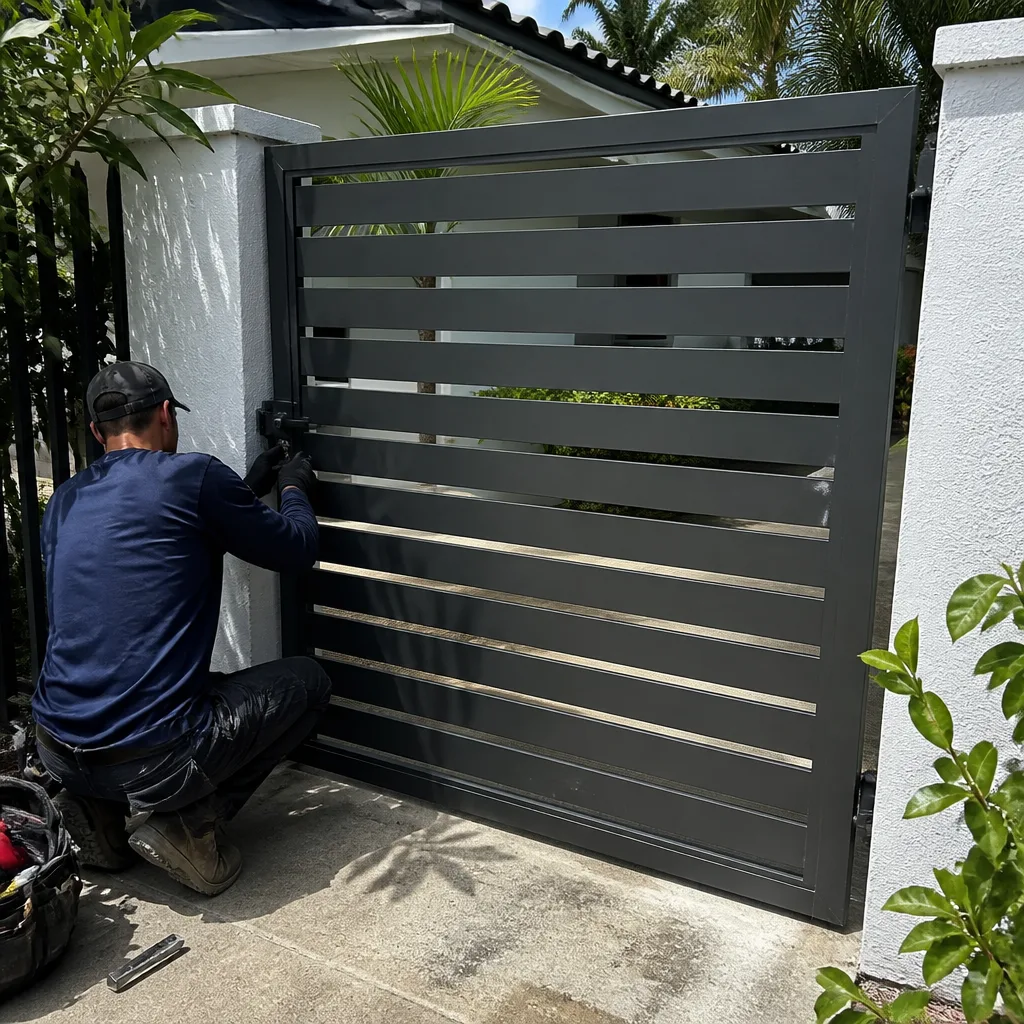 After
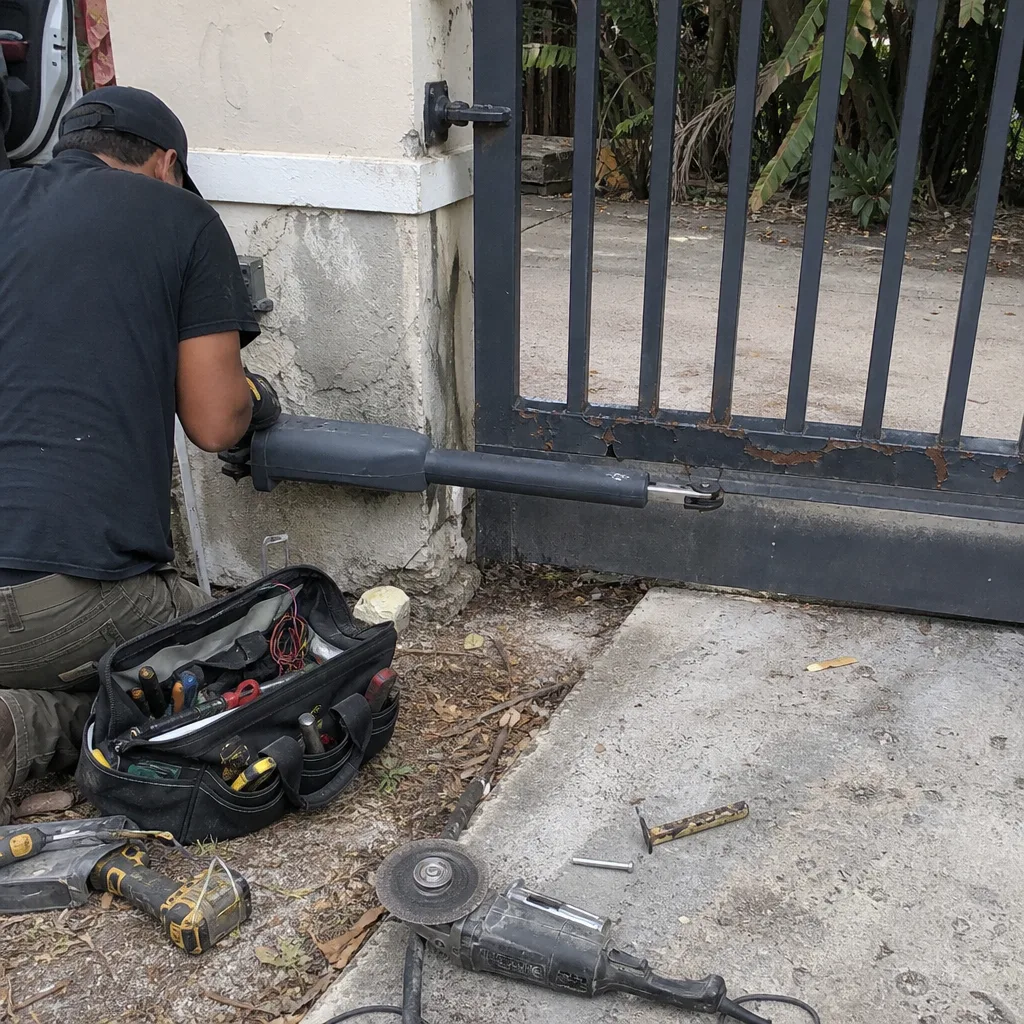 Before
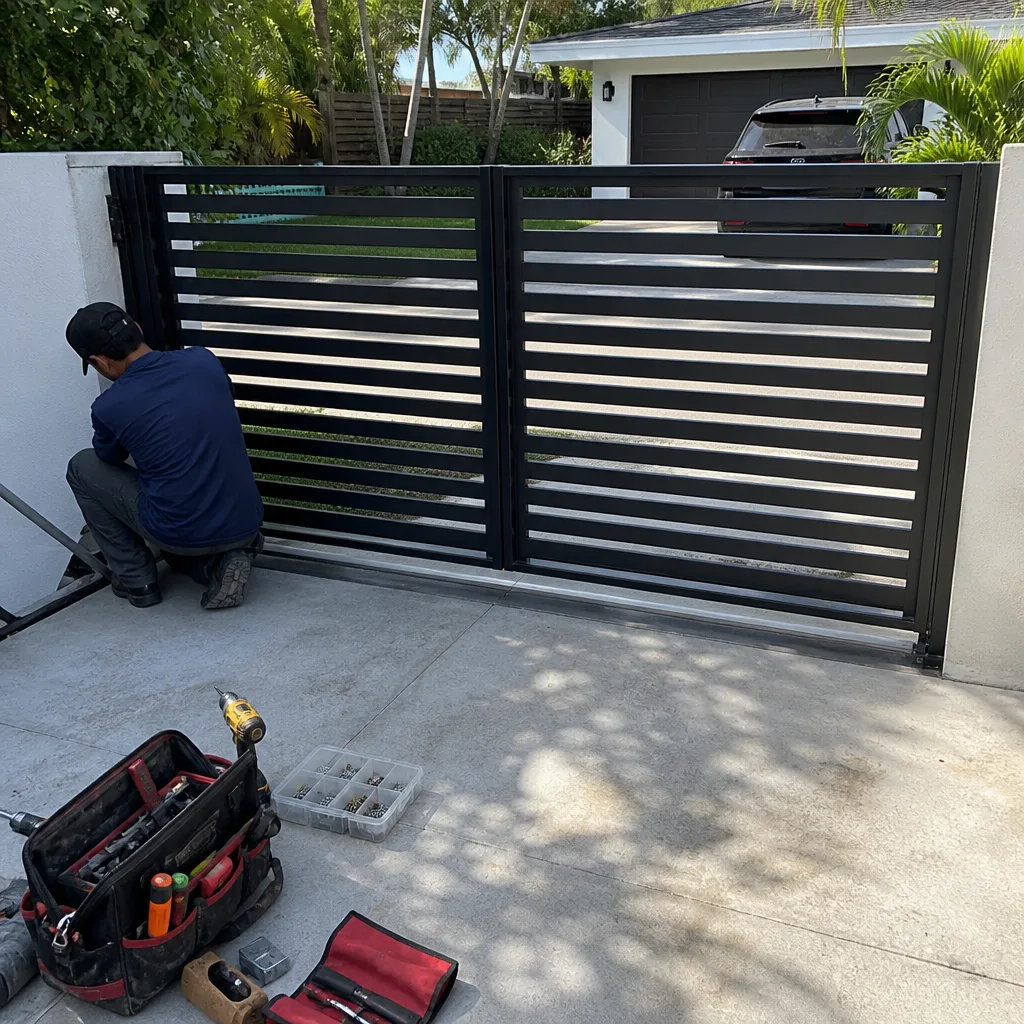 After
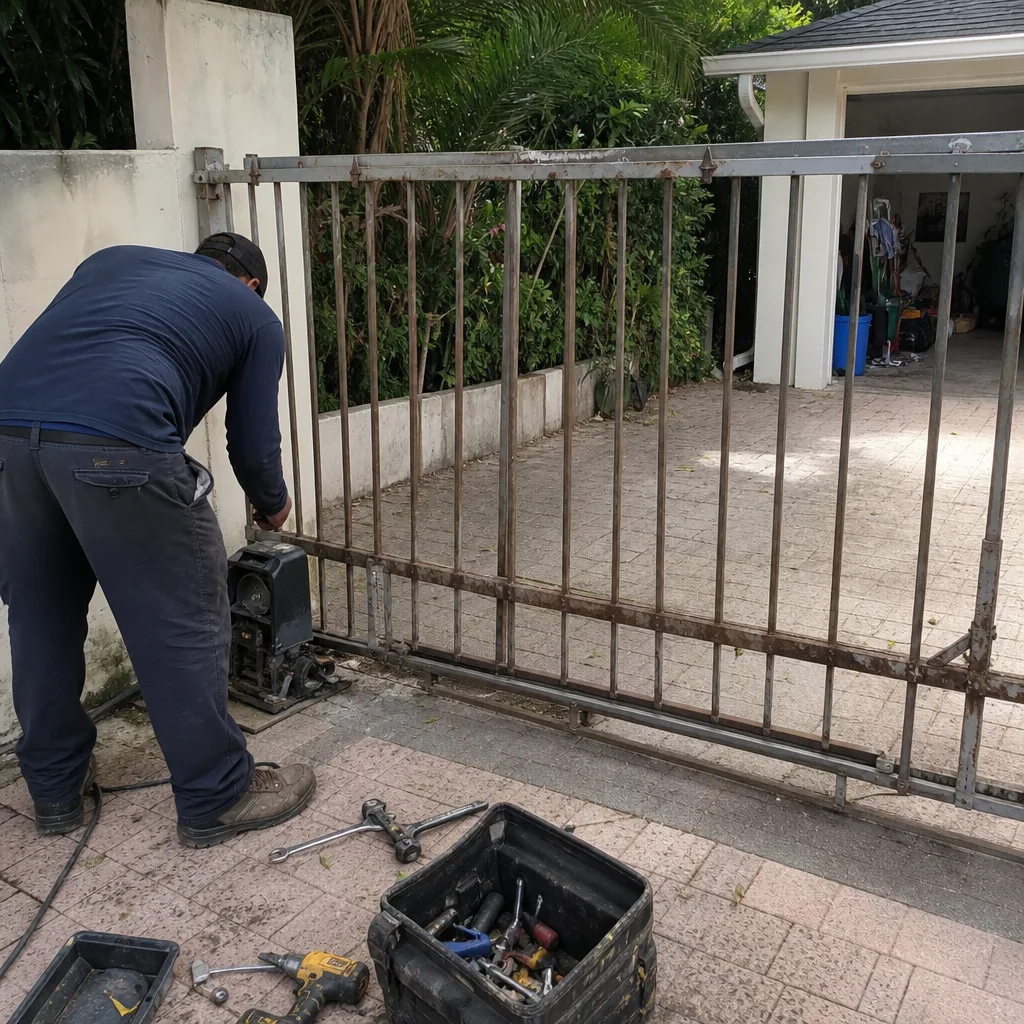 Before
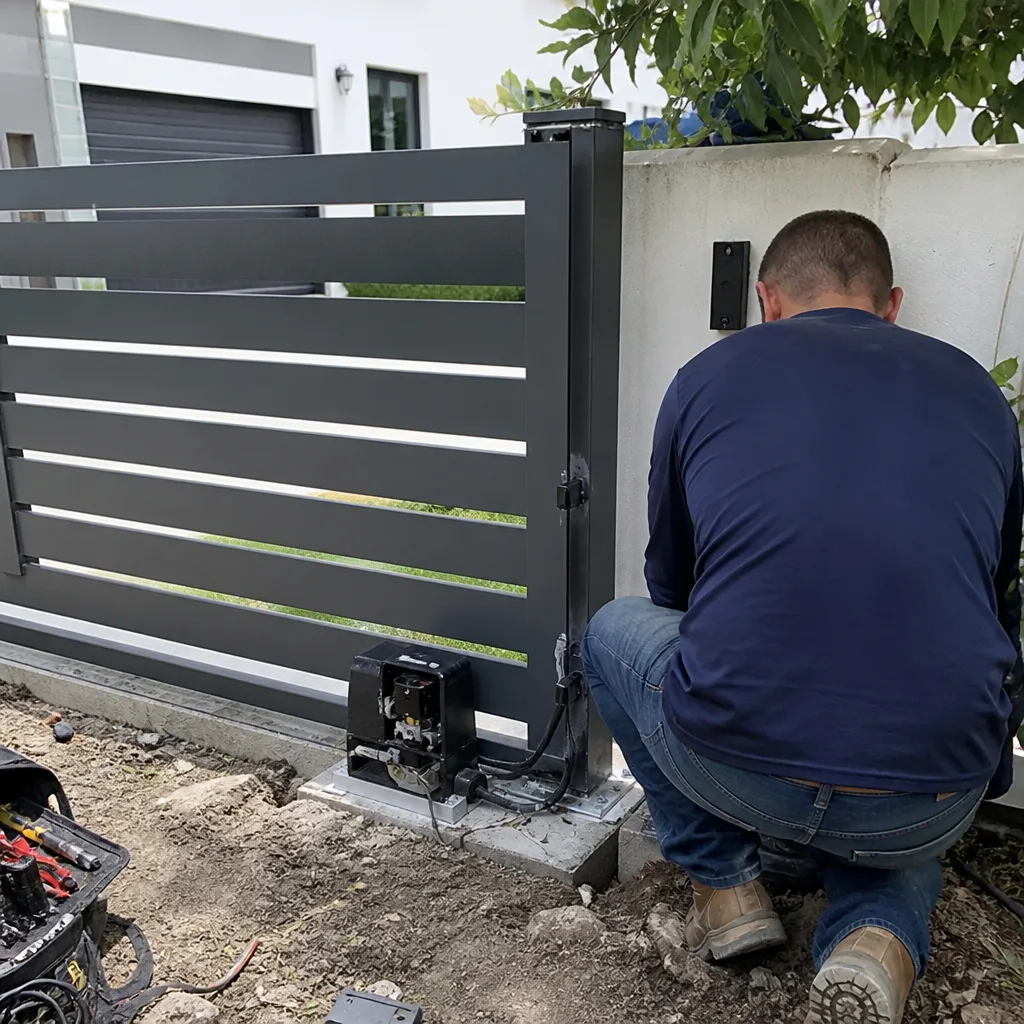 After